


SAN GERARDO BIOLOGICAL STATION: THE SCIENTIFIC HEART OF THE CORRIDOR
Strategically located between the Cacao and Rincón de la Vieja volcanoes, the San Gerardo Biological Station is much more than a refuge: it is a living testament to nature’s resilience. This sector guards a unique transition zone between the mid-elevation and high-elevation rain forests, acting as a vital bridge connecting species from the Pacific with those of the Caribbean.
What is now a natural laboratory was once a buffalo ranch. Since its establishment as a protected area in 1999, San Gerardo has undergone an ambitious transformation driven by the community: pastures were removed, and strategic reforestation was implemented using melina trees (Gmelina arborea) to attract birds and seed-dispersing fauna, accelerating the return of the native forest.
Today, the station blends community wisdom with rigorous science—including a remarkable butterfly inventory—to monitor and celebrate the recovery of the biological corridor.
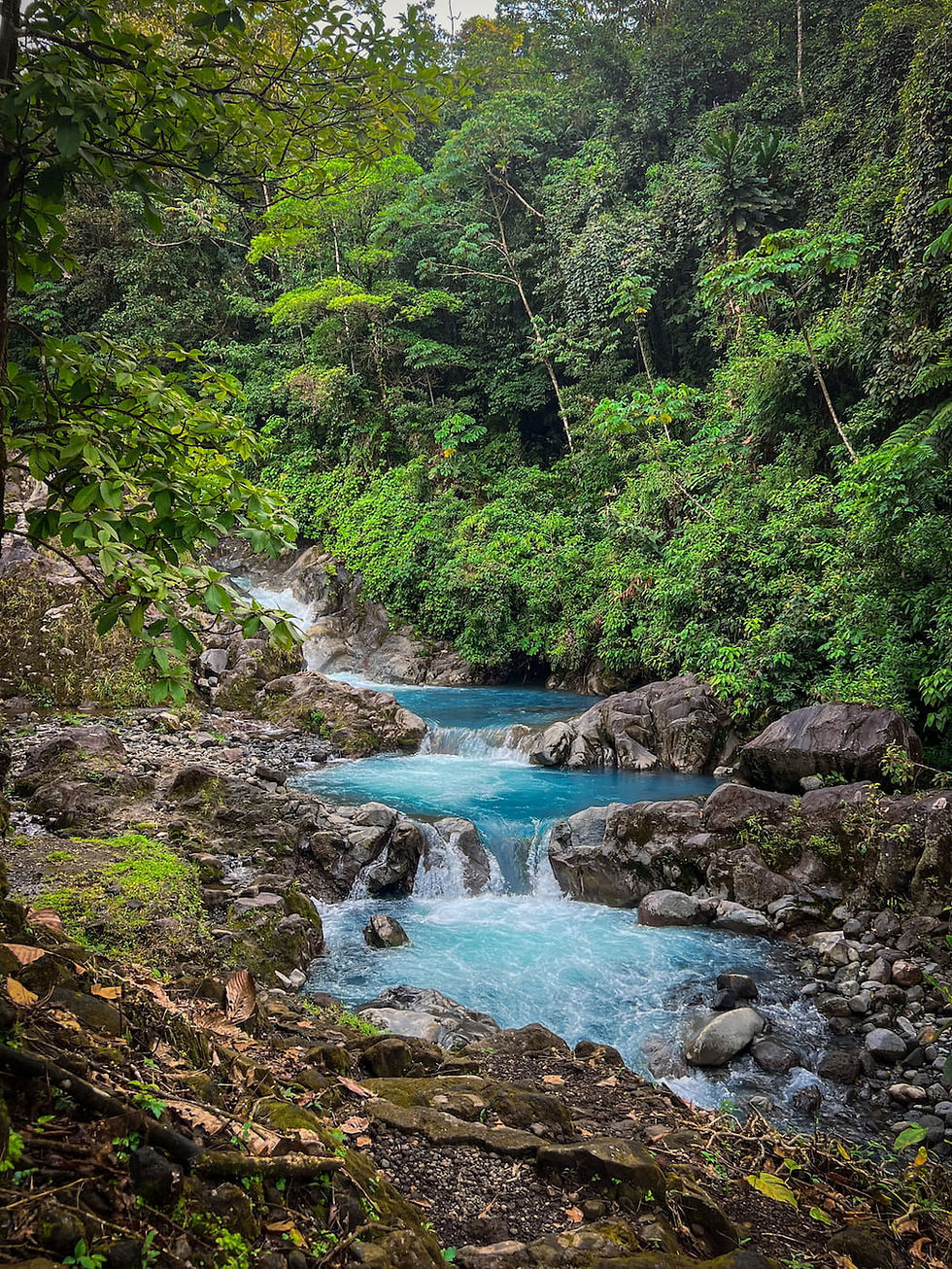
SAN GERARDO BIOLOGICAL STATION
Strategically positioned between the Cacao and Rincón de la Vieja volcanoes, the San Gerardo Biological Station is not just a shelter; it is a privileged witness to nature's resilience. This sector safeguards a unique transition zone between mid and high-elevation rainforests, becoming a critical point for species connectivity.
Note: Access to these facilities is reserved primarily and exclusively for researchers and authorized educational groups.

Biodiversity: What is studied here?

Thanks to its privileged location within the corridor, the station acts as a magnet for biodiversity. Researchers have documented an impressive wealth of wildlife, including:

Large Mammals:
Key territory for the Jaguar and Tapir, as well as Deer, Peccaries (Saínos), and Pacas (Tepezcuintles).

Large Mammals:
Home to three species: White-faced Capuchin, Howler Monkey, and Spider Monkey.

Birdlife:
From the majestic Great Curassow (Pavón) to an immense variety of rainforest birds like the Bellbird and the Umbrellabird.

Herpetofauna:
An ideal site for the study of reptiles and amphibians.
-
Venomous: Fer-de-lance (Terciopelo), Jumping Viper (Mano de Piedra), Eyelash Viper (Oropel).
-
Non-venomous: Boa, Mussurana (Zopilota), Vine Snake (Bejuquilla).

Entomology:
An active and constant inventory of butterflies and insects is maintained.
Getting Here
The station is located in the Province of Alajuela, very close to the community of Dos Ríos de Upala.
-
Route from Liberia: Take the North Inter-American Highway (Carretera Interamericana Norte) for 30 km until you reach Potrerillos (near the Tempisquito River).
-
The Turn: Turn right and drive 7 km to the community of Quebrada Grande.
-
Final Stretch: Continue for 15 km until you see the San Gerardo Station on your right-hand side.
-
Reference: The community of Dos Ríos de Upala is located just 2 km past the station.
Public Transportation: There is a bus service to Liberia departing from the area at 6:00 AM.

Important information for visitors
San Gerardo’s story is a lesson in hope. What you see today as a vibrant forest was once a ranch dedicated to raising cattle and buffalo.
In 1999, a bold decision was made to establish it as a protected area. To accelerate restoration, pastures were cleared, and Melina trees (Gmelina arborea) were planted as a reforestation tool. These trees served as a natural 'umbrella,' allowing birds and wildlife to disperse native seeds beneath their shade, hastening the return of the original forest. Today, San Gerardo stands as a living classroom of assisted regeneration.

